








Modern waste management fleets must balance productivity, safety, vehicle availability, and operating costs. Collection companies serve routes with different street layouts, container types, and waste volumes, so choosing suitable equipment is essential. A refuse truck should match the actual work instead of forcing operators to adjust every route around the vehicle’s limitations.
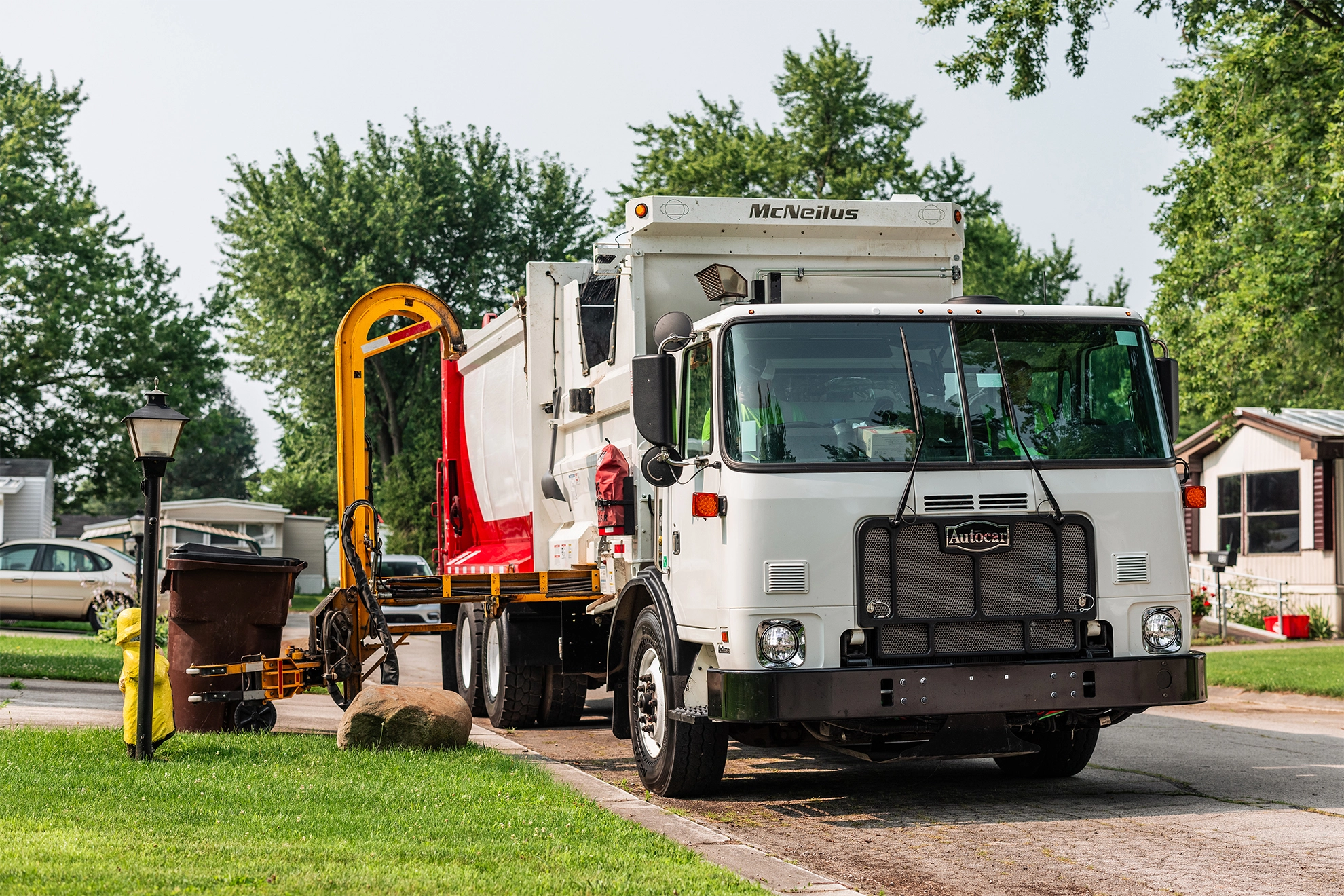
McNeilus side loaders offer several configurations for residential waste collection, including automated models and a Manual/Automated option. These trucks provide fleet managers with different approaches to handling routine curbside pickups and the obstacles that can occur along a route. Understanding the major features can help businesses make informed decisions when purchasing or upgrading collection equipment.
Automated Collection for Repetitive Pickups
One important feature of a side loader is its ability to lift compatible carts mechanically. Instead of requiring a worker to lift every container by hand, the operator can use the truck’s lifting system to complete eligible pickups from the cab.
This approach can reduce repetitive manual handling and help standardize the collection process. However, performance depends on cart compatibility, correct positioning, equipment condition, and operator skill. Automated collection is most effective when containers are placed consistently and the route is designed around the truck’s capabilities.
Fleet managers should review how many stops involve compatible carts and whether the existing collection process would benefit from automation. The expected improvement should be assessed against purchase costs, maintenance requirements, and the specific conditions of the route.
Zero Radius Side Loader Design
The McNeilus Zero Radius side loader is designed to address tight streets, alleys, and locations where space around containers is limited. Its arm design reaches toward the container rather than requiring a broad outward swing. This can be useful on routes where parked cars or restricted clearance make positioning difficult.
The available body capacities and chassis combinations depend on the specific configuration. Buyers should confirm current specifications with the supplier and consider the vehicle’s dimensions, weight limits, and route requirements before making a selection.
AutoReach for Varied Container Positions
The McNeilus AutoReach side loader features a lifting arm designed to reach both outward and side-to-side. Atlantic Heavy Duty lists a lifting capacity of up to 2,000 pounds for this model. Actual suitability depends on the selected equipment, container requirements, and manufacturer specifications.
This design may be useful when carts are not always positioned at exactly the same point along the curb. Even so, operators must follow the approved operating range and avoid attempting to lift containers that are overloaded, damaged, or unsuitable for the equipment.
Fleet managers should assess typical cart placement, road conditions, and the need for additional reach before comparing this model with other side loader options.
Flexibility With Manual/Automated Collection
Some routes include items that cannot be handled through standard automated cart pickup. The McNeilus Manual/Automated side loader combines an automated arm with a manual loading arrangement, allowing the truck to accommodate certain extra materials when the route and operating procedures permit.
This flexibility may be valuable for operators serving varied residential collection environments. However, manual loading can introduce additional physical demands and safety considerations. Companies should establish clear procedures for handling extra materials and train workers to follow appropriate lifting and loading practices.
The right configuration depends on the proportion of automated cart pickups, the frequency of unusual items, and the company’s collection policy.
Diagnostics and Serviceability
Fleet reliability depends partly on how quickly maintenance teams can identify and address equipment problems. Some McNeilus side loader configurations offer McNeilus CODE controls and diagnostic capabilities. The exact availability and functions depend on the model and specification.
Diagnostic information can help technicians investigate faults, but it does not replace inspections or qualified repairs. Operators should report warning indicators, unusual noises, leaks, or changes in lifting performance as soon as they appear.
Serviceability should be part of the purchasing process. Buyers should ask about maintenance access, common service requirements, parts availability, and support for the exact truck configuration they are considering.
Packing Systems and Durability
Side loaders repeatedly compress and transport waste, placing demands on the body, packing equipment, and hydraulic systems. McNeilus side loaders use Excalibre packing cylinders, which the manufacturer describes as incorporating a tool-steel shaver and nitrided rods intended to resist wear and corrosion and help reduce hydraulic contamination.
These design elements do not eliminate the need for regular servicing. Fleet operators must still follow maintenance schedules, inspect for leaks or damage, and keep hydraulic systems in appropriate condition. Service intervals should reflect manufacturer guidance and actual operating conditions.
Choosing a Supplier for Ongoing Support
The relationship with the truck supplier continues after purchase. Fleet managers need access to parts information, technical assistance, service scheduling, and support when a vehicle requires repairs.
Atlantic Heavy Duty provides information about McNeilus side loader configurations and offers parts support for refuse vehicles. Before committing to a purchase, buyers should confirm the service territory, availability of parts, warranty conditions, and the process for requesting support.
Comparing suppliers on after-sales service can help prevent unexpected difficulties once the truck enters daily operation.
Conclusion
McNeilus side loaders offer features intended to support different residential waste collection needs, from Zero Radius maneuverability to AutoReach flexibility and Manual/Automated loading options. Diagnostics, packing-system design, and suitable service support are also relevant when assessing a truck’s long-term value.
Fleet managers should compare specifications with their routes, container types, safety procedures, and maintenance capabilities. With careful planning and support from Atlantic Heavy Duty, operators can select equipment that better fits their operational goals.